
Botswana is one of Africa’s most rewarding destinations for self-drive adventures, yet it demands respect and preparation. At Car Rental Road Trips, we’ve guided countless travelers who succeed not by luck, but by understanding the key factors that shape every journey. From water levels and wildlife movements to road conditions and climate, timing and preparation dictate your experience. Knowing the Botswana self-drive safaris best time & equipment ensures your 4×4 is ready for anything, whether navigating shifting sands, crossing seasonal rivers, or spotting game in peak wildlife areas. With the right timing and gear, your Botswana safari transforms from a challenging drive into a seamless, unforgettable adventure.
Botswana transforms season by season. A sandy track in Khwai that feels soft but simple in August can turn into axle-deep mud by January. Chobe’s quiet winter camps can burst with life when the rains arrive. Moremi’s scenic routes can disappear under detours, water crossings, and rough patches. That’s why we approach every Botswana self-drive with a simple CRRT principle: Journeys beyond the Road
This guide breaks the experience into phases, built around the way we plan self-drive journeys for international travelers: understanding seasonal timing, choosing your window, and packing smart for independence in remote wilderness.
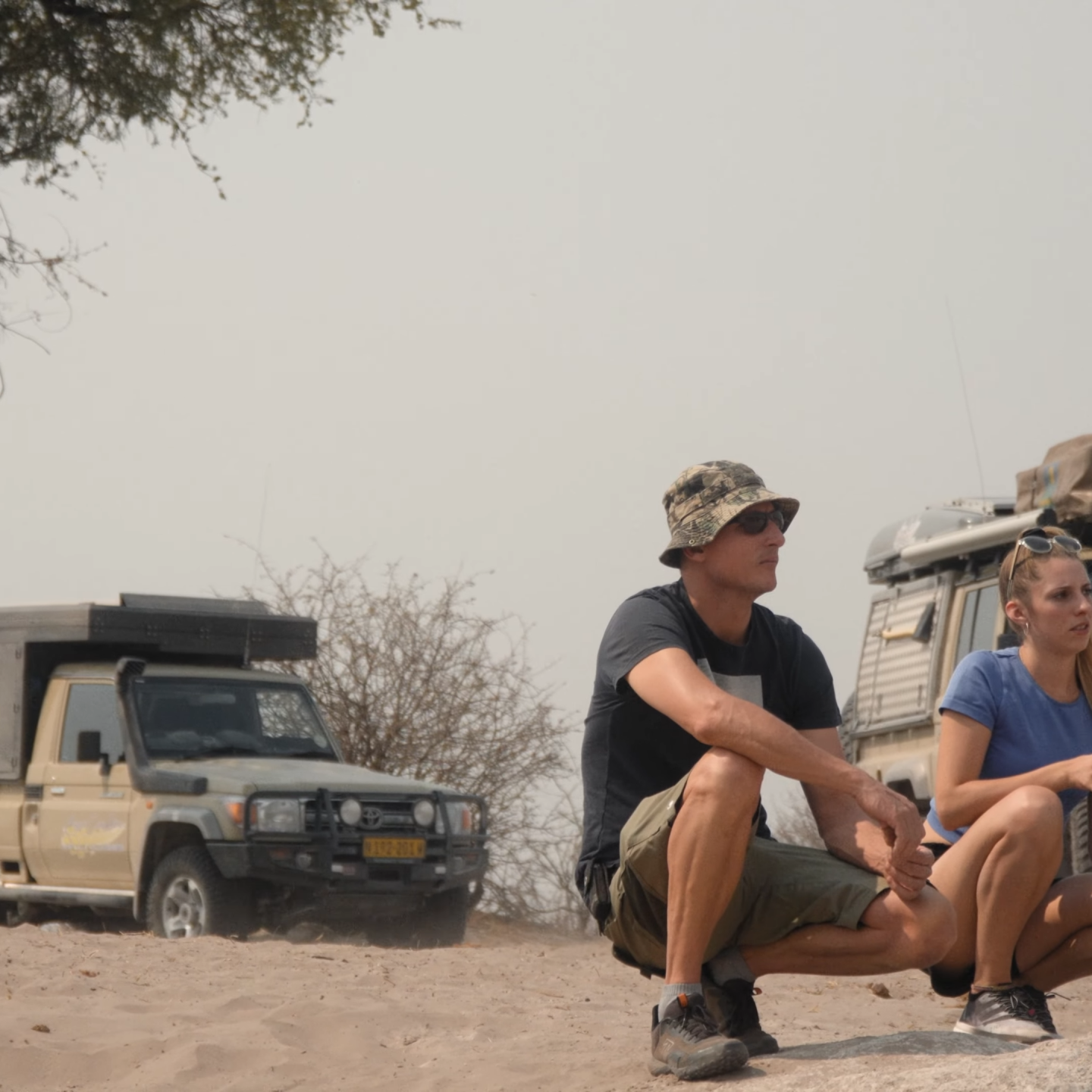
Savuti Chobe National Park Overlanding Self Drive Adventure Dry Season. ROAM Overlanding Ep3
📅 Best Time to Visit Botswana
Dry Season (May–October): Predictable Roads, Peak Wildlife, Classic Self-Drive Conditions
If you want the most reliable version of a Botswana self-drive safari, the dry season is the gold standard. From May onward, skies clear, roads firm up, and wildlife concentrates around permanent water sources.
June–August offers crisp mornings, cool days, and star-filled nights, ideal for long drives and safe navigation. Nights can be very cold, especially in the Central Kalahari and Savuti, so warm layers are essential.
By September–October, visibility increases, heat intensifies, and predator sightings peak around shrinking waterholes. It’s demanding due to heat but unmatched for big-game action.
For travelers renting a fully equipped 4×4, these months offer the smoothest and most predictable adventure.
Green Season (November–March): Dramatic Skies & Newborn Wildlife, But Demanding Roads
When the rains arrive, Botswana turns emerald. Dramatic skies, newborn antelope, lightning storms, and dust-free air make this a photographer’s dream.
But conditions demand respect: black cotton soil becomes unpredictable, grass hides potholes, and tracks may vanish into mud or standing water. This season suits confident 4×4 drivers.
For birders, photographers, and seasoned overlanders, the green season is exceptional. First-timers can still enjoy it, with a well-prepared 4×4 and realistic expectations.
Shoulder Season (April & November): Balanced, Beautiful, and Quiet
April marks the tail-end of the rains: refreshed landscapes, clearing skies, and improving visibility. Roads begin to dry, but the scenery stays lush.
November bridges dry heat and the first storms. Wildlife sightings remain strong, especially elephants in Chobe and predators in Khwai and Moremi. The bush feels alive and dynamic.
Ideal for travelers wanting great photography, good road conditions, and fewer crowds.
🌦 Choosing Your Ideal Season Based on Your Travel Personality
There is no “best month,” only the best match for your expectations, driving confidence, and the atmosphere you want from your Botswana self-drive safari.
| Season | Ideal For | What You Get | Best Fits Travelers Who |
|---|---|---|---|
| Dry Season (May–Oct) | Predictable sand tracks | • Stable road conditions • Cooler mornings & evenings • High wildlife concentrations • Clear visibility for game viewing |
• Prefer structure over surprises • Want an easier first self-drive experience • Enjoy crisp mornings & steady wildlife sightings • Travel as families or first-time 4×4 drivers |
| Green Season (Nov–Mar) | Dramatic scenery & adventurous 4×4 | • Lush, emerald landscapes • Stormy skies & atmospheric photography • Newborn wildlife & active predators • Fewer travelers in parks |
• Love photography & dramatic weather • Don’t mind mud, tall grass, or water crossings • Want solitude & a more “raw Botswana” feel • Are confident 4×4 drivers who improvise comfortably |
| Shoulder Months (Apr & Nov) | Balanced mix of beauty & accessibility | • Warm but not extreme temperatures • Quieter parks than peak season • Roads drying (April) or just greening (November) • Good wildlife without congestion |
• Prefer a softer blend of both seasons • Enjoy variety over intensity • Want good game viewing + strong landscapes • Are flexible with shifting conditions |
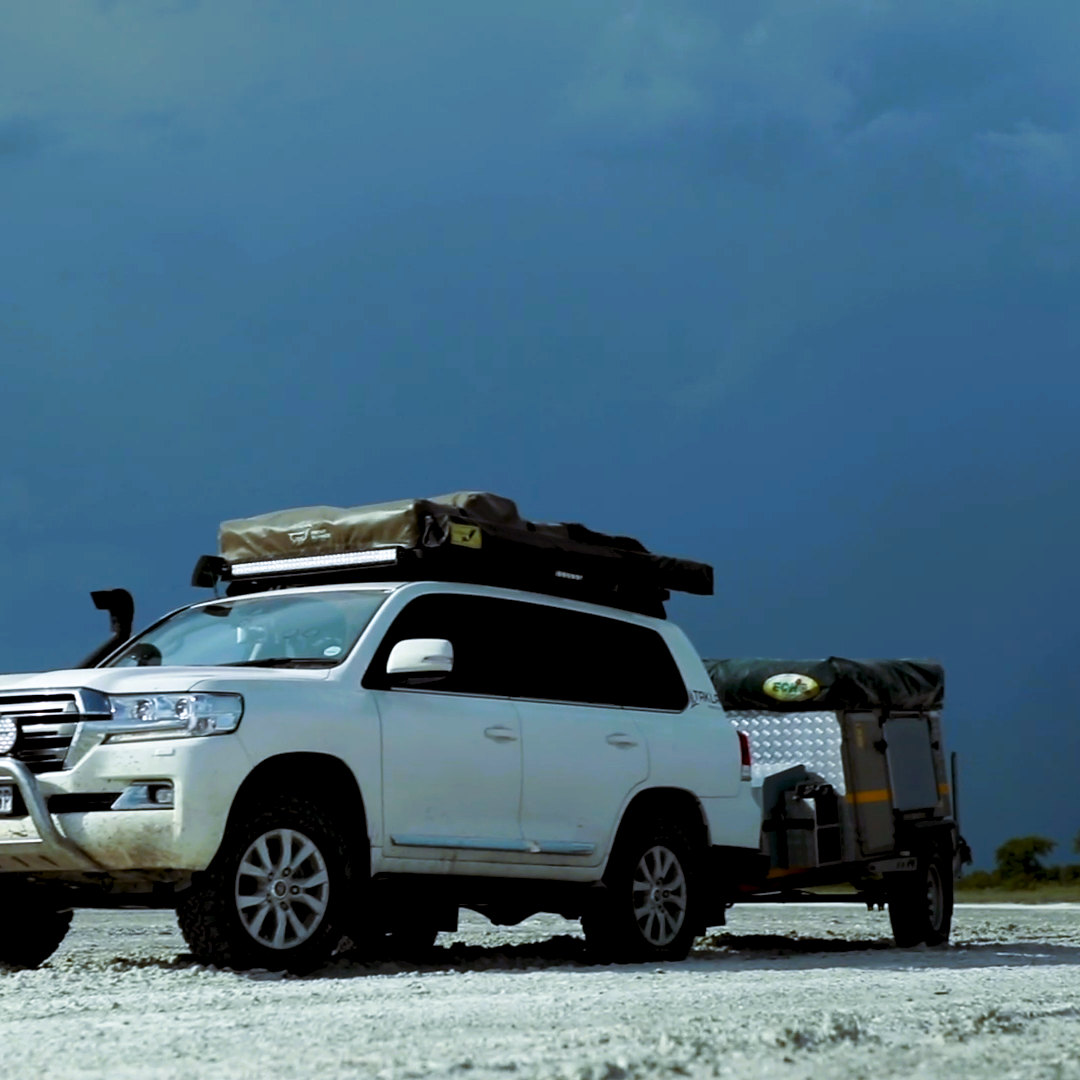
CRRT Botswana Self-Drive Safari Guide
What to Pack
A self-drive in Botswana is freedom, but it’s a freedom that relies on smart packing. Pack for independence, comfort, and safety, not excess weight.
Focus on practical gear that solves real problems: cold nights in Savuti, deep sand near Mababe, sudden storms in Moremi, long distances between shops, and days without phone signal.
Core Travel Documents
Keep your documents dry, organized, and accessible.
Essential items:
- Passport
- Driving permits
- 4×4 rental paperwork
- Insurance
- Park fees & campsite permits
- Booking confirmations
- Emergency contacts
Keep one copy with you and one hidden in your luggage.
Clothing
Botswana’s climate shifts quickly, cold mornings, hot midday sun, and sudden rain. Prioritize breathable fabrics, neutral tones, sun protection, and one warm layer. Neutral colors help blend into wildlife zones. Avoid white and bright colors.
Camping Gear
Durable tents, reliable sleeping systems, lighting, and simple cooking gear are essential. Spare tent pegs and gaffer tape solve more problems than most gadgets.
4×4 Recovery Gear
Carry essentials: compressor, deflator, jack, recovery tracks, tow strap, two spare tyres, puncture repair kit, and tools. Know how to use everythin, gear without knowledge is dead weight.
Safety & Emergency Prep
Carry a medical kit, personal medication, water purification, and a reliable communication device. Never underestimate distance, always have emergency water reserves.
Food, Water & Provisioning
Stock up early: Freeze meat and plan for long stretches without shops. Keep snacks handy. Water is critical, 5–10L per person per day.
Navigation, Power & Electronics
Offline maps and GPS devices outperform phone apps. Tracks4Africa is highly reliable. Carry a local SIM where possible and a power bank for safety.
Personal Extras
Insect repellent, wet wipes, quick-dry towels, and a pocket-sized dry bag elevate comfort more than travelers expect.
Optional Gear
Portable showers, fans, jerrycans, and solar panels can elevate comfort if weight and space allow. Bring them only if you’ll use them.
CRRT’s Top Tips & Recommendation
Drive slowly, respect wildlife, understand seasonal pitfalls, avoid night driving, carry emergency reserves, check in daily, and trust your instincts. Botswana rewards cautious travelers.