There’s a particular silence you only hear in Botswana, the kind that settles after dusk when your campfire crackles and elephants graze somewhere beyond the reeds. That’s the spirit of a self-drive safari in Botswana: total freedom, total immersion, and the thrill of being deep in the wild with nothing between you and nature but your 4×4.
At Car Rental Road Trips (CRRT), we design these moments. Our vehicles and routes are built for travelers who want to explore Botswana on their own terms, not just ticking off parks, but living the spaces in between: the lonely tar stretch from Maun to Mababe, the sand ridge between Savuti and Linyanti, the ferry crossing into Chobe.
A self-drive Botswana adventure means you choose your pace. Sleep beneath a sky bright with stars, linger by a waterhole at dawn, or roll into Maun dusty and grinning after a week in the bush. This is what independent travel in Southern Africa feels like: raw, rewarding, and unforgettable.
Why Choose a Self-Drive Safari in Botswana?
- The Freedom Factor: Few destinations in Africa give travelers this much freedom. Botswana’s parks and reserves cover almost 40% of the country, yet traffic is light, and park rules are straightforward. You’re not confined to lodge transfers or rigid itineraries; you can drive yourself from the Okavango’s floodplains to Chobe’s riverfront at your own rhythm.
- Imagine:
-
- Brewing coffee as the mist lifts off Third Bridge.
- Following elephant tracks on the Khwai community roads.
- Taking the back route from Savuti to Ghoha Hills with no convoy in sight. That sense of autonomy, “we found this ourselves,” is what draws repeat travelers back to Botswana again and again.
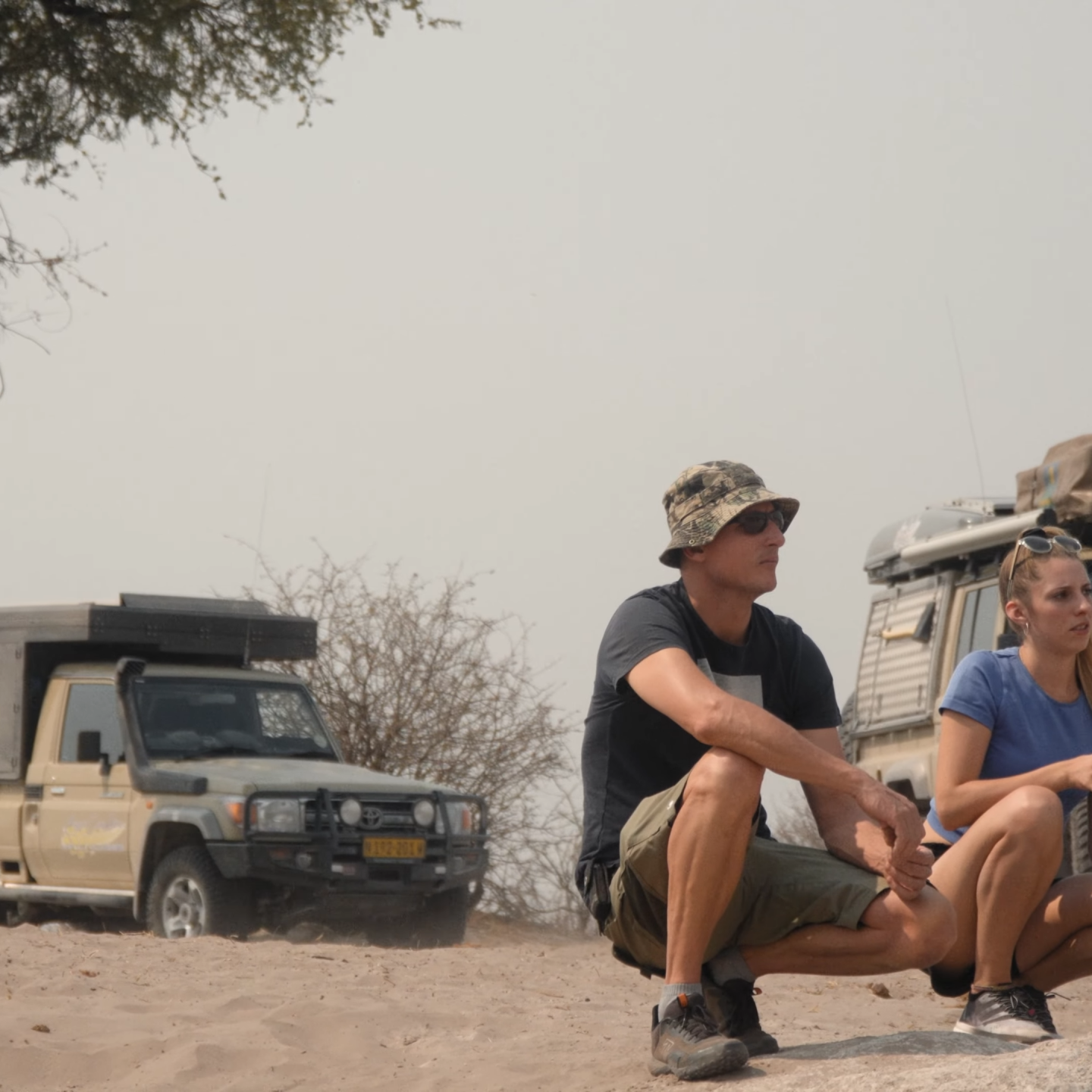
- True Wilderness, Managed Responsibly: Botswana has long favored low-impact, high-value tourism, which keeps visitor numbers low and the wilderness pristine. Even popular spots like Moremi Game Reserve and Chobe National Park rarely feel crowded. Wildlife roams freely across unfenced conservation areas, meaning you can spot lions, leopards, wild dogs, or entire herds of buffalo without ever leaving your vehicle. For families, couples, or solo adventurers, it’s a safari that still feels authentic, with real tracks, real challenges, and genuine encounters that guided convoys can’t replicate.
BOTSWANA Chobe selfdrive safari – Overlanding Africa – Botswana EP1
- Family-Friendly and Flexible: Many travelers now combine Botswana with neighboring Namibia or South Africa, renting from hubs like Johannesburg or Windhoek to save on one-way fees.
Families appreciate 4×4 campers with a single sleeping zone, safer for kids, and simpler to manage. June through October offer cool days, dry tracks, and peak game viewing, though April and May can be cheaper while still offering good road conditions.
Our 4×4 Fleet: Built for Botswana’s Terrain
A self-drive safari in Botswana isn’t a casual road trip; it’s an expedition through landscapes that shift from soft Kalahari sand to muddy floodplains.
That’s why your vehicle matters as much as your map.
At CRRT, our 4×4 fleet is designed and tested specifically for Botswana’s conditions:
CRRT Vehicle Options
- Toyota Land Cruiser 79 & 76 Series: Legendary durability for deep sand and long hauls. Ideal for extended trips through Savuti, Moremi, and the Central Kalahari.
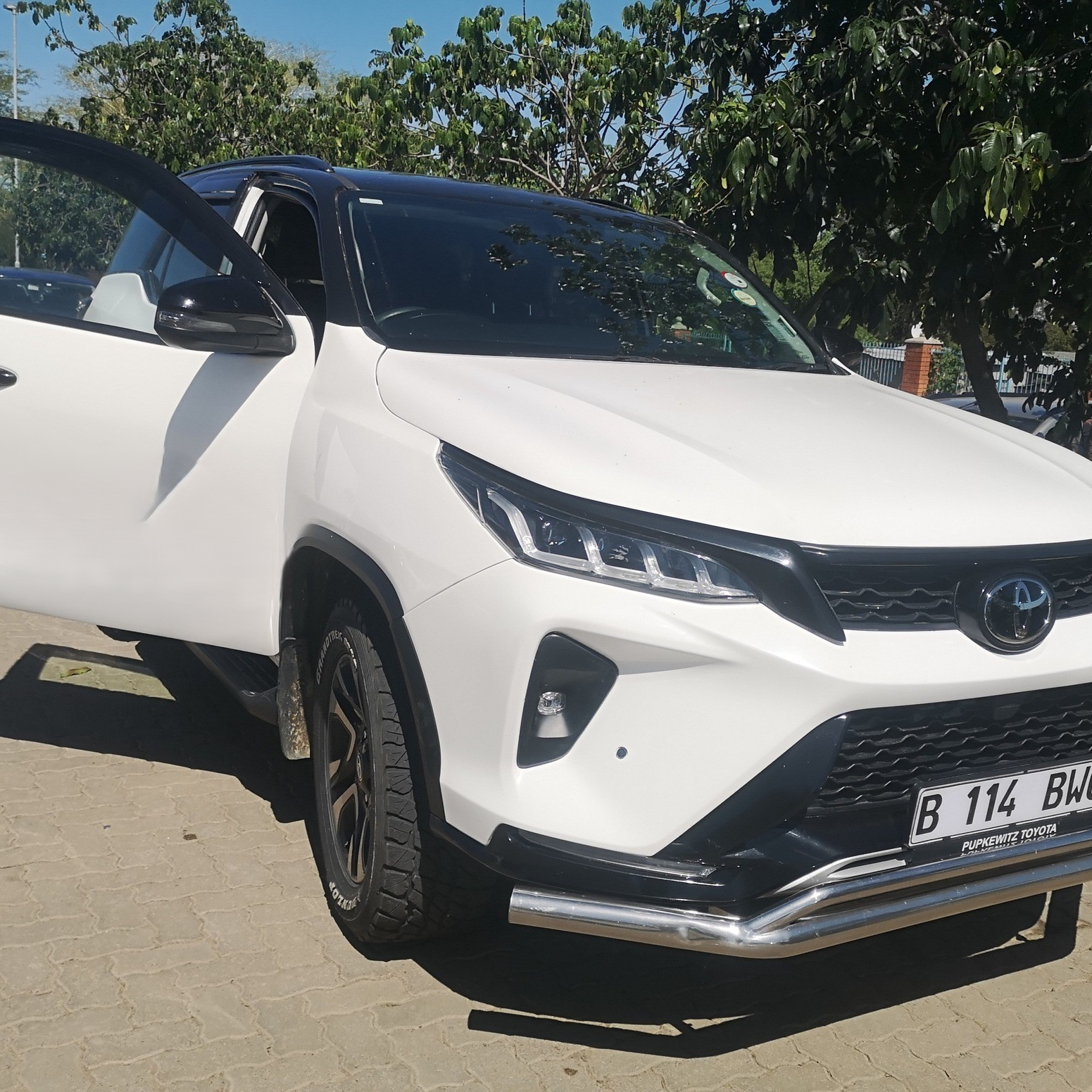
- Toyota Hilux Double Cab: The balance between comfort, fuel economy, and off-road power, perfect for couples or small families on a two-week route.
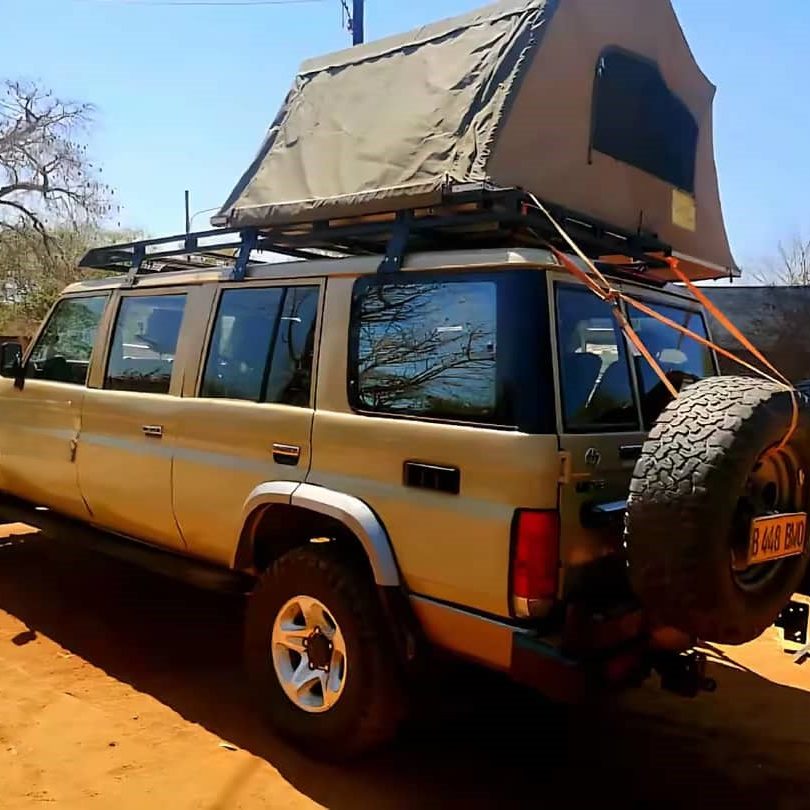
- 4×4 Camper Conversions: Fully equipped campers with interior sleeping areas, ideal for families wanting a shared, enclosed space.
Key Features
- All-terrain tires and high ground clearance for corrugated tracks and ruts.
- Dual fuel tanks (120–160 L) to handle remote routes with no stations for 300 km or more.
- Rooftop tents or enclosed campers, depending on your style.
- Recovery gear, compressor, and shovel are standard in every vehicle.
- Built-in fridge, inverter, utensils, and water storage so you can camp anywhere comfortably.
- 24/7 support: satellite phone assistance for mechanical issues or emergencies.
We also provide:
- Detailed route briefings and driving tips for areas like Khwai, Savuti, and Nxai Pan.
- Cross-border paperwork if you’re starting in South Africa or Namibia.
- Optional GPS & offline maps that highlight campsites, fuel stops, and park gates.
Real-World Insight from the Road
As you leave Maun and head northeast toward Moremi, the tarmac soon gives way to deep sand and mopane woodland. Keep tire pressure around 1.8 bar for traction. Between Mababe and Savuti, expect frequent elephant crossings, and during the wet season, water over the tracks. Distances are deceptive; 100 km can take three hours. That’s part of the rhythm of self-driving Botswana: slow, deliberate, connected.
Why Travelers Trust CRRT
We’ve driven these routes, tested the vehicles, and camped under the same skies our clients do. That firsthand experience shapes everything we recommend, from the ideal time to visit Khwai’s river crossings to the best route for cutting fuel costs between Kasane and Nata.
Every booking includes route support, camp booking advice, and practical guidance so you can focus on the moments that matter, not the logistics.
Vehicle Specifications and Types
When planning a self-drive Botswana adventure, the vehicle you choose is your lifeline. Botswana’s terrain rewards only those 4x4s built for endurance, the kind that can handle deep sand in Moremi, muddy pans in Makgadikgadi, and the long, empty stretches between fuel stops.
At CRRT, we offer Toyota Hilux and Toyota Land Cruiser models, and for good reason. These are time-tested vehicles known for their reliability across African conditions. Whether you’re tackling the salt pans, navigating soft riverbeds in the Okavango, or crossing dry river crossings in Savuti, a Hilux or Land Cruiser gives you the ground clearance, torque, and mechanical simplicity that travelers trust.
Even if you’re new to off-road driving, don’t worry, good operators in Botswana provide a comprehensive pre-departure briefing, showing you how to engage 4WD, handle recovery tools, and manage fuel use. For many first-time overlanders, this short orientation makes all the difference between worry and confidence.
Essential 4×4 Gear Checklist
| Category | Required Item | Why It’s Essential |
|---|---|---|
| Vehicle Type | Fully equipped 4×4 with high clearance | To handle deep sand, rocky sections, and ungraded tracks common in national parks |
| Navigation | GPS unit with Tracks4Africa maps | Reliable for off-road routing, fuel stops, campsites, and emergency waypoints |
| Fuel Capacity | Long-range tank or jerry cans (20–40L reserve) | Critical for remote travel where petrol stations are scarce |
| Recovery Gear | Spare tires, tow-rope, hi-lift jack, shovel, compressor | Required for self-recovery and tire repair on isolated routes |
| Communication | Satellite phone (optional rental) | Safety backup in zones without mobile coverage |
| Supplies | Fridge, gas cooker, water containers, food | Enables self-sufficiency and comfort during multi-day safaris |
Self-Drive Safari For Dummies – Moremi Game Reserve
CRRT Note
At Car Rental Road Trips (CRRT), we’ve driven these same routes and tested these setups in the field. We know how a properly kitted Hilux feels in the Kalahari sand and how comforting that fridge hum can sound after a long drive through Nxai Pan.
CCRT Curated Road Trip Itineraries: Driving Conversion through Planning
One of the best ways to understand the freedom of a self-drive Botswana safari is to look at routes that actually work, the kind locals, overlanders, and travel photographers return to again and again.
These itineraries not only help travelers visualize their journey but also show that the rental provider truly understands the realities of planning a safari in Botswana. Among all options, the 14-day circuit through Northern Botswana remains the classic benchmark, a balance of wilderness, logistics, and once-in-a-lifetime encounters.
The Northern Circuit: Chobe, Moremi & the Okavango
The Northern Circuit is Botswana’s crown jewel for self-drive travelers, pure, untamed Africa. Starting in Maun, the gateway to the Okavango Delta, the route takes you deep into the country’s most celebrated wilderness zones.
- Maun to the Okavango Panhandle and Tsodilo Hills: A relaxed start heading northwest, where traditional villages meet ancient rock art and quiet backwaters alive with birdlife.
- Moremi Game Reserve: The heart of the Okavango Delta, where floodplains, mopane forests, and lagoons support elephants, lions, leopards, and wild dogs.
- Khwai Community Area: A community-managed wildlife corridor with some of the most rewarding game drives in Botswana.
- Chobe National Park (Savuti & Chobe Riverfront): Famous for its huge elephant herds and dramatic lion sightings, ending in Kasane, near the borders of Zimbabwe and Zambia.
This two-week route delivers the full Botswana experience: remote camping, 4×4 river crossings, and game viewing from sunrise to sunset.
The dry season (May to October) offers the best visibility for wildlife, as animals congregate around water sources and roads remain passable.
Exploring the Kalahari and Pans
For those who crave solitude and silence, the Kalahari and Makgadikgadi Pans reveal Botswana’s other personality, vast, white, and timeless.
These regions are for the traveler who’s already comfortable behind the wheel of a 4×4 and is looking for something truly off-grid.
- Central Kalahari Game Reserve (CKGR) and Khutse Game Reserve: Enormous, wild, and often devoid of other vehicles. Expect lions, oryx, and endless open horizons.
- Makgadikgadi & Nxai Pans: Ancient salt pans where the sky meets the earth, home to flamingos, Baines’ Baobabs, and seasonal zebra migrations.
- Kubu and Kukonje Islands: Stunning overnight camping spots on shimmering pans, offering surreal photography opportunities.
- Kgalagadi Transfrontier Park: A cross-border ecosystem shared with South Africa, ideal for those combining Botswana with a wider Southern African itinerary.
These routes demonstrate deep logistical and destination knowledge, the kind travelers look for when choosing a trusted self-drive Botswana rental partner.
Documentation for Cross-Border and Child Travel
If your self-drive Botswana safari includes crossing into neighboring countries such as Namibia, Zimbabwe, or South Africa, it’s vital to have all documentation in order before you reach the border. Border authorities are strict, and missing paperwork can easily stop your trip short.
Vehicle Documentation & Authorization
When renting a 4×4 outside Botswana, for instance, in South Africa or Namibia, you’ll need a Letter of Authorization from your rental company to take the vehicle across international borders. This document confirms ownership and legal permission for cross-border use. Expect to provide passport scans and driver details ahead of time, as rental companies use them for traffic fine redirection and customs clearance. Additional cross-border fees often apply, so confirm these early to avoid surprises.
Traveling with Children
Botswana enforces strict child travel regulations to prevent child trafficking. Parents must carry a certified copy of each child’s unabridged birth certificate, and if one parent isn’t traveling, a notarized affidavit granting consent from the absent parent is mandatory. When a child travels without either parent, temporary guardianship documents are required. These rules also apply if your family transits through South Africa on the way to Botswana.
To simplify your planning, Car Rental Road Trips provides a dedicated Cross-Border Travel Guide covering document templates, insurance tips, and border-specific updates.