Self-Drive Uganda Safari: Affordable Freedom & Epic 4×4 Road Trips


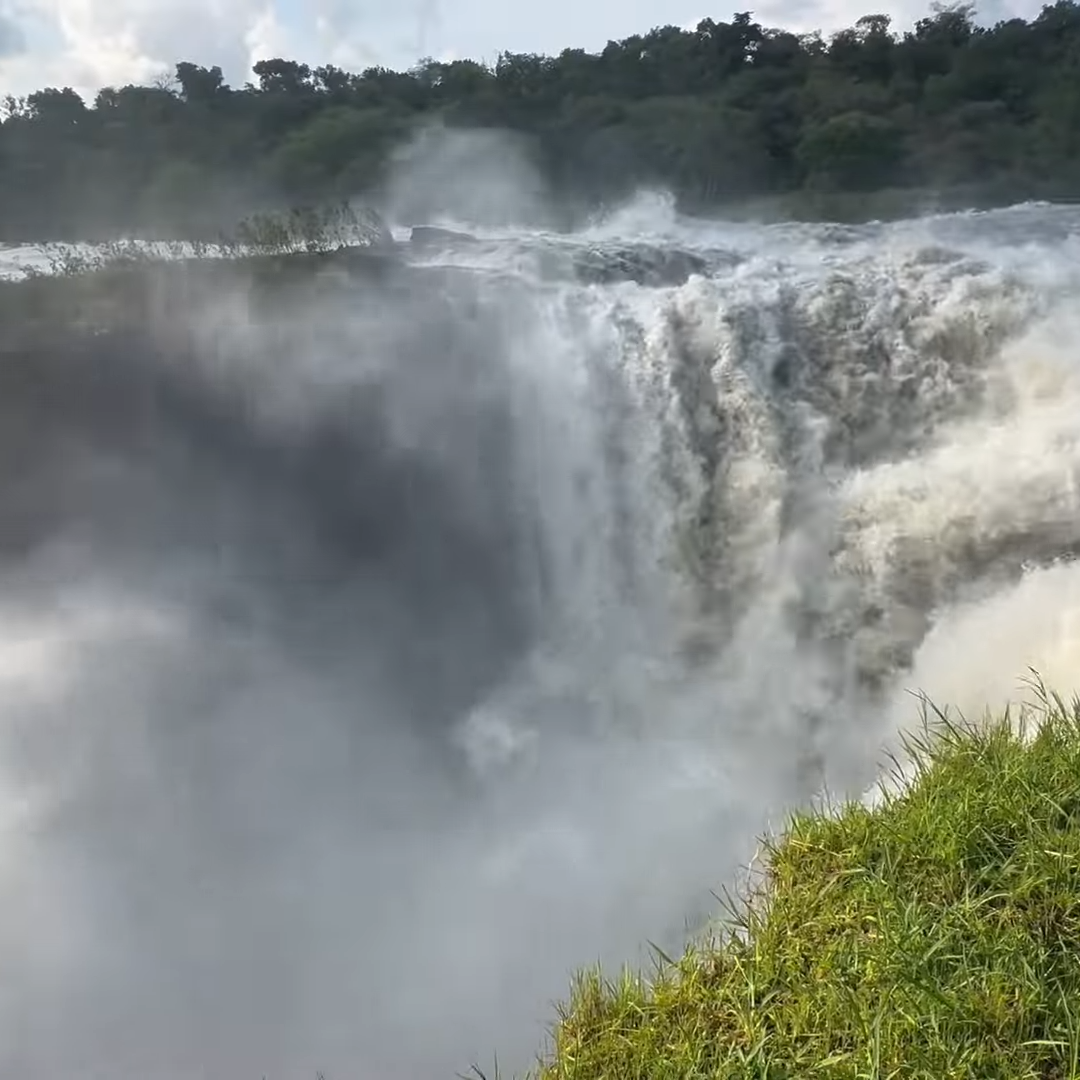
A self-drive Uganda safari gives you complete freedom to explore the Pearl of Africa at your own pace, using a fully equipped 4×4 to access national parks, wildlife corridors, and remote landscapes. From the thunderous plunge of Murchison Falls to the mist-covered trails of Bwindi Impenetrable Forest, this guide covers everything you need to plan a safe, affordable, and unforgettable Uganda self-drive adventure.

Unlike guided safaris with fixed schedules, self-driving allows you to linger longer at a leopard sighting in Queen Elizabeth National Park, spend more time tracking chimpanzees in Kibale Forest, or adjust your route as conditions change. You travel on your terms, not someone else’s timetable.

This Ultimate Guide to a Self-Drive Uganda Safari is built on real local experience. You’ll learn how to choose the right 4×4 vehicle, plan realistic driving routes, secure essential permits, manage costs, and navigate Uganda’s road conditions with confidence.
Tips you NEED to know for traveling to Uganda

Why Choose a Self‑Drive Uganda Safari?

Embarking on a Self‑Drive Uganda Safari is more than a trip; it’s your odyssey through Africa’s most biodiverse landscapes, on your schedule and at your pace. Below, discover the compelling reasons that set Uganda apart as the ultimate self‑drive destination.

Unmatched Freedom & Flexibility

Total control over your itinerary is the biggest advantage of a self-drive Uganda safari.

  • Stop whenever wildlife appears — no group approval required
  • Extend game drives when sightings are exceptional
  • Adjust routes easily if weather or road conditions change
  • Explore cultural sites and local events on impulse

Over 65% of our self-drive guests extend at least one park stay after experiencing this flexibility firsthand, something rarely possible on guided safaris.

Cost-Effective, Value-Packed Adventure

Self-drive safaris in Uganda are significantly more affordable than guided alternatives, especially for couples, families, and longer road trips.

  • 4×4 self-drive rentals from $50 per day (vehicle, insurance, roadside support)
  • Guided safaris typically cost $120–150 per day, excluding tips
  • Accommodation flexibility,  from $15 community campsites to luxury lodges

Many travelers reinvest these savings into premium experiences such as gorilla trekking permits, private boat cruises, or extended park stays.

Authentic Experiences & Hidden Places

Self-driving opens access to places guided tours often skip.

From quiet crater lakes near Kabale to community-run campsites and lesser-visited park sectors, you experience Uganda beyond the standard safari circuit. Interactions with local communities are natural, unhurried, and genuinely rewarding.

Pro Insider Tip: Ask for directions to the “lost” crater lake between Kabale and Kisoro, you’ll often have the place to yourself.

Uganda’s Compact, Biodiverse Safari Circuits

Uganda’s compact size makes it one of Africa’s most rewarding destinations for a
self-drive safari. Savanna, rainforest, wetlands, and mountain ecosystems
can all be explored in a single loop without excessive driving days.

Popular Self-Drive Safari Routes in Uganda

  • Northern Safari Circuit (7–9 days):
    Kidepo Valley National Park, Murchison Falls National Park, and Ziwa Rhino Sanctuary,  ideal for big game, predators, and classic savannah landscapes.
  • Southwestern Safari Circuit (5–7 days):
    Queen Elizabeth National Park (including Ishasha’s tree-climbing lions), Bwindi Impenetrable Forest for gorilla trekking, and Lake Mburo National Park.

Wildlife Density & Low Tourist Traffic

  • Fewer Safari Vehicles:
    Uganda’s national parks receive approximately 30–50% fewer vehicles per day than comparable parks in Kenya or Tanzania.
  • More Intimate Wildlife Encounters:
    It’s common to share a waterhole with large buffalo herds or elephants without another vehicle in sight.
  • Wildlife Density Fact:
    Queen Elizabeth National Park is home to over 2,000 hippos along the Kazinga Channel, one of the densest hippo populations in the world.
Expert Support & Peace of Mind

24/7 Roadside Assistance

  • From minor punctures to GPS troubleshooting, we’re just a call away.

Detailed Pre‑Trip Briefing

  • Customized maps tailored to your route.
  • Seasonal road‑condition alerts to help you plan detours.
  • Local SIM‑card setup with data and emergency contacts preloaded.

Accreditations & Partnerships

  • Member of the Uganda Tourism Board.
  • ISO‑certified vehicle maintenance protocols for safety and reliability.
  • Partner garages and mechanic workshops in every major park and town.

Selfdrive Roadtrip Uganda 2022

Planning Your Self‑Drive Uganda Safari: The Essentials

A successful Self‑Drive Uganda Safari begins with thoughtful, detail-oriented preparation. From understanding the best time to travel and selecting the right vehicle to securing permits and knowing what to pack, these essentials help you avoid costly mistakes and ensure a smooth, safe, and unforgettable overland journey through Uganda’s remarkable landscapes.

Planning Your Self-Drive Uganda Safari

Planning Topic Details Pro Tips
Best Time to Travel Uganda has two main dry seasons ideal for self-drive: December–February and June–August. Shoulder season (September–October) is quieter with fewer tourists and still manageable roads.
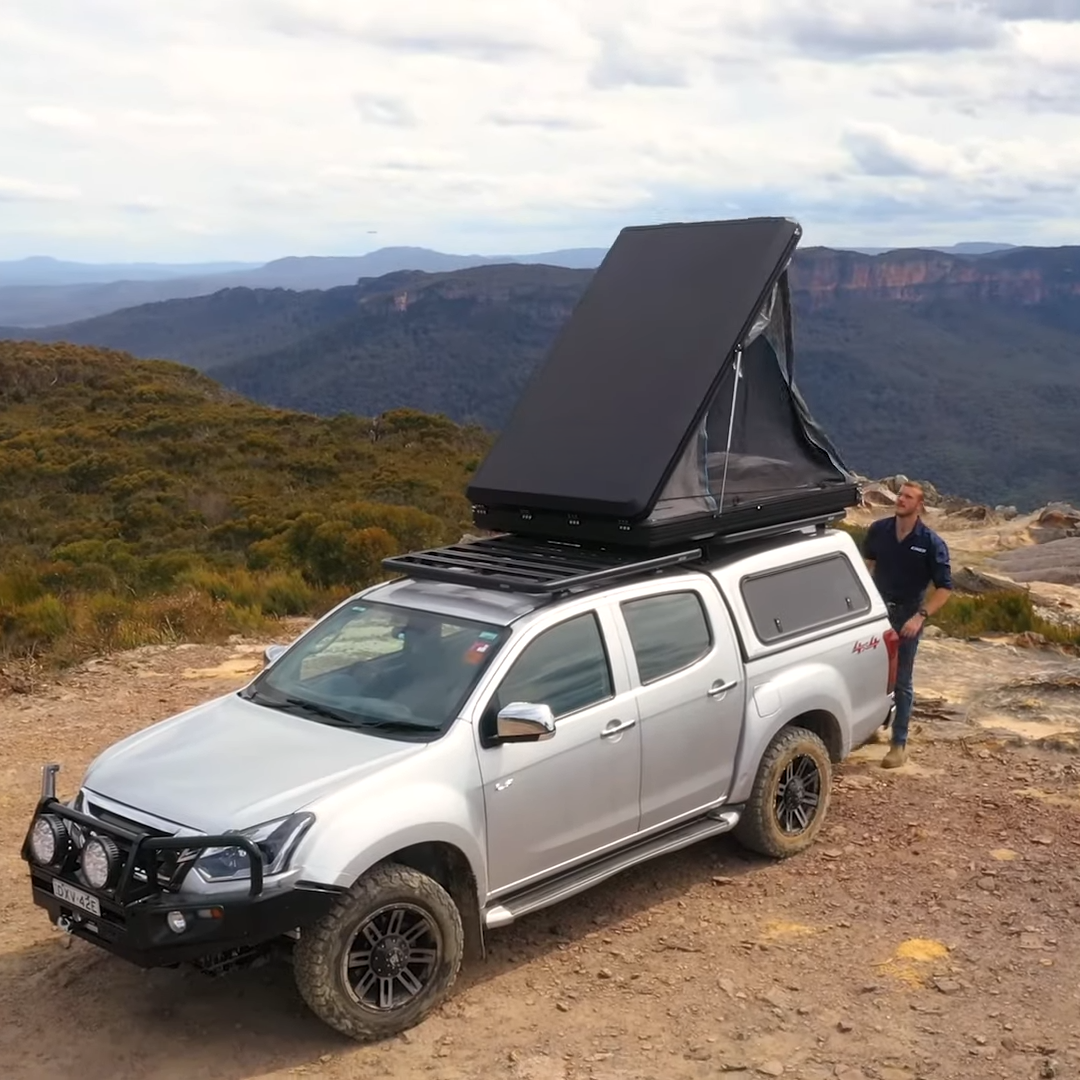
Vehicle Choice High-clearance 4×4 is mandatory for parks like Bwindi, Kidepo, and Semuliki. Small SUVs are only suitable for urban areas or Lake Mburo. Toyota Land Cruiser, Prado, or Hilux are ideal. Ensure air conditioning, spare tires, recovery tools, and a rooftop tent if camping.
Permits & Park Fees National park entry fees: $40–$50/day; gorilla trekking permits: $800; chimpanzee tracking permits must be booked early. Book gorilla permits months in advance. Many rental providers can assist with permit acquisition.
Driving Distances & Times Distances between parks may look short, but roads can be slow due to gravel, potholes, or seasonal mud. Plan 6–8 hours for longer routes; factor in wildlife stops, villages, and checkpoints.
Navigation & Connectivity Mobile signal is weak in remote areas; GPS and offline maps are essential. Carry a GPS device, Maps.me offline maps, and a paper map backup. Get a local SIM card for emergencies.
Safety & Road Rules Night driving is unsafe. Observe speed limits and UWA park regulations. Watch for livestock, boda-bodas, and potholes. Carry reflective triangles, a first-aid kit, and stay alert. Respect park staff instructions at checkpoints.

Planning assumptions:

  • Proper safari-prepared 4×4 vehicle
  • Daytime driving only
  • Realistic pacing, do not rush itineraries

This table provides the essentials you need to plan your self-drive Uganda safari safely.

Self-Drive Uganda Safari Essentials

Essential Category Items & Notes Pro Tips
Vehicle Essentials 4×4 with high clearance, spare tire, jack, lug wrench, recovery straps, fire extinguisher, reflective triangles, basic tool kit Check tires, oil, brakes before starting; carry a rooftop tent for camping flexibility.
Navigation & Communication GPS device, offline maps (Maps.me/Google Maps), paper map backup, local SIM card, satellite phone optional Test offline maps and GPS before leaving; ensure emergency numbers saved.
Health & Safety First-aid kit, insect repellent (DEET), sunscreen SPF 30+, lip balm with SPF, hand sanitizer, wet wipes, personal medication Pack malaria prophylaxis if recommended; check expiry dates on meds and creams.
Clothing & Footwear Light breathable clothing for day, warm layers for night, wide-brim hat, sunglasses, sturdy hiking shoes/boots, rain jacket Neutral-colored clothes for wildlife viewing; pack gloves and thermal layer for highland mornings.
Food & Water Bottled water, water filter/purification tablets, high-energy snacks, non-perishable foods Top up water whenever possible; carry extra for remote routes like Kidepo or Semuliki.
Camping & Overnight Gear Rooftop tent or ground tent, sleeping bag, sleeping mat, camping stove, cookware, headlamp/flashlight Pack lightweight, durable items; check local fire regulations for open flames.
Photography & Observation Camera with zoom lens, extra batteries, memory cards, binoculars Bring a lens hood for glare; store batteries in a dry bag.
Documents & Admin Driver’s license, International Driving Permit (IDP), passport, park permits, vehicle rental contract Keep copies in glovebox and phone; double-check permit dates before starting.

Essentials Notes:

  • This checklist is focused on self-drive safaris in Uganda’s parks and remote areas.
  • Adjust quantities based on trip length and number of travelers.
  • Preparedness ensures safety, comfort, and the best wildlife experience.
Accommodation & Camping Options

Uganda offers a wide range of stay options to suit all budgets and preferences.

  • Lodges & Guesthouses: Ideal for mid-range to luxury travelers.
  • Public Campsites & Community Lodges: Affordable, immersive, and found in most parks.
  • Rooftop Tent Camping: Combines mobility and savings with an unforgettable wilderness experience.

Car Rental Road Trips can help you secure well-located accommodation at no extra cost when you book a vehicle, ensuring you’re close to wildlife corridors and park gates.

Choosing the Right Vehicle

Your vehicle choice can make or break your Uganda self-drive safari. Contact us for our Jeep options

  • Must-Have: A high-clearance 4×4 for off-road parks like Bwindi, Kidepo, and Semuliki.
  • Recommended: Toyota Land Cruiser, Prado, or Hilux.
  • Avoid: Small SUVs like the RAV4 for extended or rugged trips—suitable for urban areas or Lake Mburo only.

Pro Tip: Opt for a rental with a rooftop tent and camping gear for cost savings and flexibility.

Non-Negotiables: Ensure your 4×4 has air conditioning, spare tires, a jack, recovery tools, and a tow rope, critical for Uganda’s variable terrain.

Uganda Self-Drive Safari Vehicle Rental & Costs

Vehicle Type Approx. Daily Rate* Key Features Best For
Toyota Rav4 (4WD) $45–60 Air-conditioning, compact size, and light off-road capability Short trips, Lake Mburo, paved routes only
Toyota Land Cruiser Prado $90–120 High clearance, strong suspension, reliable on rough terrain Queen Elizabeth, Murchison Falls, Bwindi access roads
Toyota Land Cruiser (HZJ / V8) $120–160 Heavy-duty 4×4, long-range fuel, roof hatch option Remote routes, Kidepo Valley, long overland safaris
4×4 with Rooftop Tent $130–200 Camping gear, mattress, ladder, storage drawers Budget-friendly overland safaris & national park camping

Cost Notes & Assumptions:

  • Rates vary by season, rental duration, and vehicle availability.
  • Prices typically include insurance, roadside assistance, and basic recovery gear.
  • Fuel, park fees, permits, and accommodation are not included unless stated.

Pro Tip: Long-term rentals (7+ days) often qualify for discounted daily rates.

Road Conditions & What to Expect When Driving in Uganda

Uganda’s road network ranges from newly paved highways to rough, ungraded park access tracks. While main routes linking Kampala, Murchison Falls, Fort Portal, and Mbale are steadily improving, many safari access roads remain slow, dusty, or muddy depending on season.

  • Potholes and uneven surfaces on rural roads
  • Loose gravel and corrugations near national parks
  • Mud, washouts, and slippery climbs during rainy seasons
  • Frequent speed bumps (“sleeping policemen”) near towns

Pro Tip: A high-clearance 4×4 is essential for parks like Kidepo, Bwindi, Semuliki, and remote sections of Queen Elizabeth.

Traffic Behaviour & Defensive Driving Tips

Driving in Uganda requires patience and awareness. Roads are shared with pedestrians, livestock, bicycles, boda-bodas (motorbike taxis), and fast-moving minibuses.

  • Expect sudden stops, overtaking, and lane changes
  • Boda-bodas often appear without warning, especially in towns
  • Livestock frequently cross highways in rural areas

Essential Defensive Driving Tips:

  • Drive at moderate speeds and scan far ahead
  • Use mirrors constantly and anticipate erratic moves
  • Give way generously — courtesy prevents incidents
  • In urban traffic, keep doors locked and windows partly up

Local Insight: If another driver overtakes on a blind corner, slow down and give space. This is common practice and reduces risk.

Police Checkpoints, Roadblocks & What to Do

Police checkpoints are common across Uganda, particularly near towns, highways, and park entrances. They are usually routine and professional.

What to Do at a Checkpoint:

  • Slow down and pull over calmly
  • Greet officers politely, a friendly approach matters
  • Present your driver’s license, rental agreement, and insurance
  • Keep documents easily accessible in the glovebox

Important: If an unofficial fine is suggested, remain calm. Ask for written clarification or a supervisor. Do not argue roadside.

Pro Tip: Inform your rental provider immediately if you feel uncomfortable — reputable companies assist with resolution.

Fuel Planning, Navigation & Emergency Readiness

Fuel stations become scarce once you leave major towns. Poor planning can quickly turn into a serious problem in remote safari areas.

  • Refuel whenever the tank drops below half
  • Carry a jerrycan for long-distance routes
  • Plan fuel stops in advance for Kidepo and remote Queen Elizabeth sectors

Navigation Essentials:

  • Dedicated GPS unit or vehicle-installed navigation
  • Offline maps downloaded on your phone
  • Paper maps as a final backup

Emergency Readiness: Carry water, snacks, a headlamp, first-aid kit, and emergency contacts at all times.

Wildlife Viewing Rules for Self-Drive Safaris in Uganda

Uganda’s national parks allow self-drive visitors to enjoy wildlife independently, but strict rules apply to protect both animals and visitors. These rules are enforced by Uganda Wildlife Authority (UWA) rangers.

  • Remain inside your vehicle at all times unless in designated safe zones
  • Do not stand through roof hatches or lean out of windows
  • Never feed wildlife, even monkeys, baboons, or birds
  • Maintain a safe distance, especially from elephants and predators
  • Switch off engines when stopped near animals whenever possible

Why it matters: Animals in Uganda are not habituated to vehicles like in some mass-tourism parks. Respectful distance prevents dangerous encounters.

Speed Limits, Off-Road Driving & Park Conduct

Self-drive safari routes inside Uganda’s parks are clearly marked. Driving off designated tracks is strictly prohibited.

  • Maximum speed limit inside parks: 40 km/h
  • Off-road driving is forbidden, even to approach wildlife
  • No honking, revving engines, or chasing animals
  • Do not block animal pathways or water access points

Important: Rangers patrol popular routes and may stop vehicles for speed checks or rule compliance.

Local Insight: Staying patient often rewards you, wildlife frequently crosses roads naturally without interference.

Uganda Wildlife Authority (UWA) Penalties & Fines

UWA enforces penalties to protect wildlife and visitor safety. Fines are applied immediately and may include escorting offenders out of the park.

Violation Approx. Fine (USD)
Over-speeding inside park $25–30
Driving off designated tracks $150+
Disturbing or harassing wildlife $100+
Causing injury or death to wildlife $500+ (plus prosecution)

Reminder: These penalties exist to protect Uganda’s ecosystems and your safety, compliance ensures continued self-drive access.

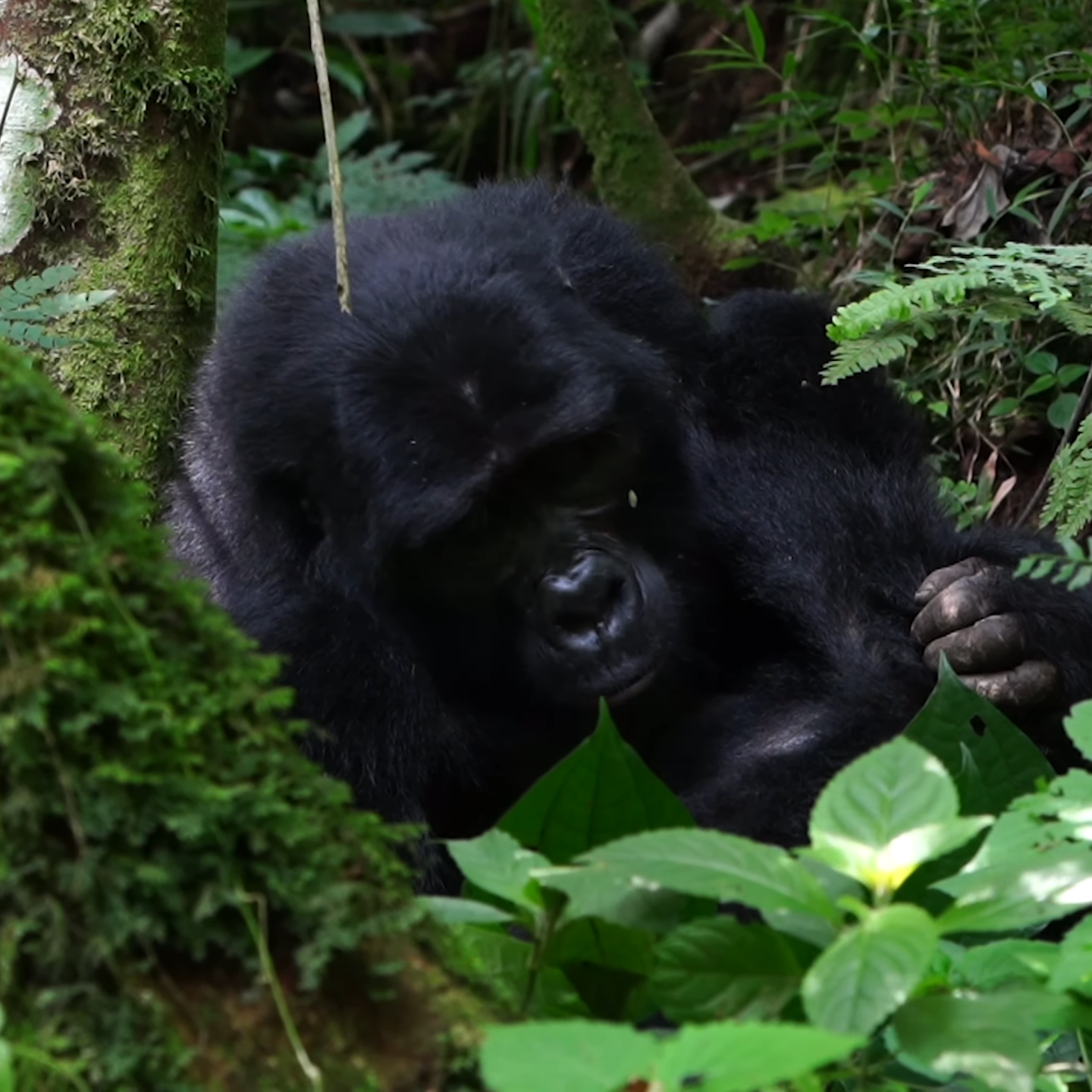
Gorilla & Chimpanzee Trekking Rules (Self-Drive Travelers)

If your self-drive safari includes gorilla or chimpanzee trekking, additional regulations apply. These are strictly enforced due to conservation sensitivity.

  • Permits must be secured in advance, often months ahead
  • Treks are guided; self-driving applies only to park access
  • No flash photography allowed
  • Maintain the required distance from primates at all times
  • If unwell, you may be denied participation for animal safety

Pro Tip: Carry gloves, long sleeves, and waterproof footwear, Bwindi and Kibale trails can be wet and steep year-round.

Penalty Examples from Uganda Wildlife Authority (UWA)

Violation Fine (approx. USD)
Over-speeding $29
Driving off-road tracks $150
Causing animal death $500+

Reminder: Rangers may be stationed along popular routes and may inspect vehicles for compliance. Always be respectful and cooperative.

Uganda Safari Costs: How to Budget for Your Self-Drive Adventure

  • Vehicle Rental Rates: Prices start at $50/day for a basic 4×4.
  • Park Permits: Gorilla permits cost $800 per person, and park fees range from $30 to $50.
  • Accommodation: From $20 for budget camping to $300+ for luxury lodges.

Book Your Self-Drive Safari with Car Rental Road Trips

Why Book with Us?

Car Rental Road Trips specialises in providing reliable 4×4 vehicles for your Uganda safari. Our team is dedicated to making your self-driving experience seamless with round-the-clock support, detailed maps, and flexible rental options.

Easy Online Booking for Stress-Free Planning

Our streamlined booking platform lets you choose your vehicle, customize your itinerary, and confirm your safari all in a few clicks.