
Welcome to Kenya’s road trip country, where highways cut through savannahs, airport exits lead straight into national parks, and every journey can shift from city traffic to wildlife encounters within a few hours. At Car Rental Road Trips, we provide Kenya car rental solutions designed for travelers who want full control of their itinerary, whether that means navigating Nairobi’s busy corridors, heading down to the coast in Mombasa, or pushing deep into safari territory.
For a complete breakdown of routes, vehicle choices, and planning strategies, explore our Kenya Car Rental Travel Guide and detailed 4×4 self-drive Kenya guide.
Our fleet is built around how Kenya is actually driven: compact cars for urban movement, mid-range sedans for long highway stretches, and purpose-built 4x4s for routes that end in dust, gravel, or national park gates. Economy rentals start at USD 30 per day, while fully equipped safari vehicles such as the Toyota Prado and Land Cruiser range from USD 110 to 160 per day, depending on the route and season.
Most travelers use Nairobi or Mombasa as entry points, then branch outward toward destinations like the Maasai Mara for migration viewing, Amboseli for Kilimanjaro backdrops, Tsavo for vast wilderness driving, or Samburu for remote northern safari circuits. Each route has different road conditions, which is why choosing the right vehicle is not just about comfort; it directly shapes what you can access and how far you can go.
Whether you are planning a short city-based rental or a multi-park self-drive circuit across Kenya, our vehicles are prepared for both sealed highways and unpredictable terrain. Every booking includes reliable support, flexible pickup options, and clear pricing so you can focus on the road ahead instead of logistics.
Drive Kenya on your terms, city to safari, coast to highlands, without fixed schedules or tour constraints.
Nairobi Car Hire & Airport Pickup
Nairobi is the main entry point for most Kenya road trips, and the way you exit the airport often determines how smoothly your journey begins. At Jomo Kenyatta International Airport (NBO), you can collect your rental vehicle directly on arrival or arrange a pre-booked handover at your hotel or within the city using our Nairobi car hire services.
We provide both airport and city-based Nairobi car hire options, allowing you to move straight from landing into your route, whether that is a quick transfer into the CBD, a drive toward the Great Rift Valley, or an immediate departure toward safari regions like Maasai Mara or Amboseli.
Driving in Nairobi requires adjustment. Traffic is structured but often slow-moving during peak hours, especially on routes leading into and out of the city. Once you clear the urban grid, however, major highways open clean access toward key destinations such as Naivasha, Nakuru, and Narok. For most travelers, the rental vehicle becomes the point where city driving transitions into long-distance travel.
All vehicles are available for airport pickup with prior confirmation, and we recommend early scheduling to align with flight arrival times. This ensures minimal waiting time and a direct handover process so you can continue your journey without interruption.
Nairobi is not just a pickup point; it is the launch corridor into Kenya’s safari and coastal road network.
Driving Routes Across Kenya
Kenya is best understood as a connected driving network rather than a set of isolated destinations. Most self-drive itineraries begin in Nairobi or Mombasa, then expand outward along defined travel corridors that shift quickly from urban traffic into open highway and eventually into safari terrain. The route toward Maasai Mara runs southwest through Narok, where paved highways end, and gravel access roads begin. For a detailed breakdown of this route, see our self-drive Maasai Mara from Nairobi guide.
- Nairobi Corridor: Highlands to Rift Valley
- The most frequently used route runs west from Nairobi toward Naivasha, Nakuru, and the wider Rift Valley basin. This stretch is fully tarmacked and suitable for all vehicle types, making it the natural transition zone for travelers leaving the city. Beyond Naivasha, road conditions begin to vary as you approach park entrances and escarpment terrain.
- Southern Safari Circuit: Amboseli & Tsavo
- Heading southeast from Nairobi, the landscape opens toward Amboseli and Tsavo. This corridor is where road travel begins to change character, with long distances, hotter climates, and increasing reliance on 4×4 capability near park access roads. It is one of Kenya’s most direct self-drive safari routes and is often combined with coastal exit points.
- Western Safari Route: Maasai Mara Access
- The route toward Maasai Mara runs southwest through Narok, where paved highways end, and gravel access roads begin. During migration season, this corridor becomes one of the busiest self-drive circuits in East Africa, requiring careful timing, fuel planning, and a vehicle suited for mixed terrain.
- Northern Extension: Samburu & Remote Parks
- Beyond central Kenya, driving north introduces longer distances and reduced infrastructure density. Routes toward Samburu, Buffalo Springs, and Laikipia require sustained highway travel followed by rougher park access roads, making 4×4 vehicles essential for reliability and comfort.
Rather than fixed destinations, Kenya rewards route thinking; each corridor defines the type of journey you will experience.
4×4 Self-Drive Safari Experience
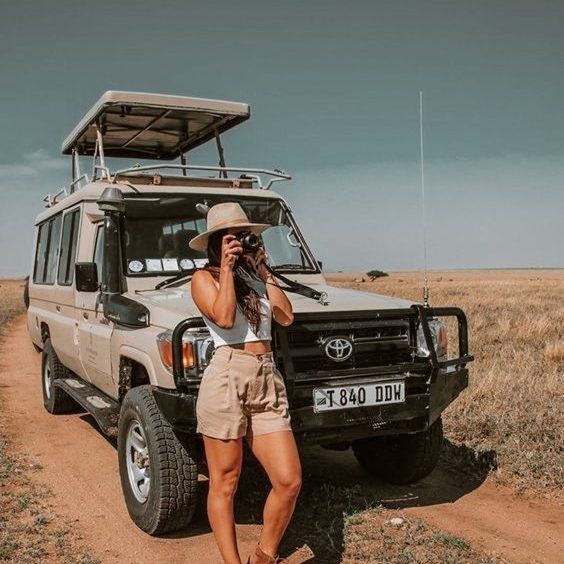
A 4×4 rental in Kenya is not just a vehicle upgrade; it is what determines how far your journey can realistically go once the paved network ends. Outside major towns, road conditions shift quickly from tarmac to gravel, packed earth, river crossings, and seasonal mud sections that standard vehicles cannot reliably handle.
Most travelers first feel this transition after leaving Nairobi toward the Maasai Mara, Amboseli, or Tsavo. The driving itself becomes part of the experience: long stretches of open road followed by sudden wildlife zones where elephants, giraffes, or antelope may appear directly along the route.
Our safari 4×4 fleet includes Toyota Prado, Nissan Patrol, and Mitsubishi Pajero models, all built for long-distance and mixed terrain travel. These are commonly used on multi-park itineraries where stability, fuel range, and suspension quality matter more than speed or city comfort. Rates typically range from USD 110–160 per day, depending on model and season. For lighter routes, options like the Toyota RAV4 or Nissan X-Trail are commonly used.
What defines a successful self-drive safari is not distance covered, but control over timing. You decide when to stop, when to enter parks, and how long to stay in a wildlife zone, something that guided itineraries often restrict.
Driving in these environments requires awareness rather than aggression: slow navigation over uneven ground, early planning for fuel stops, and respect for park rules that govern entry and movement.
A 4×4 in Kenya is less about off-road performance and more about unlocking access to the parts of the country that standard travel never reaches.
Comfortable Chauffeur-Driven Tours
Not every Kenyan road trip needs to be self-driven. In many cases, especially for first-time visitors, long safari circuits, or multi-region itineraries, a chauffeur-driven setup removes the operational pressure of navigation, traffic handling, and park logistics. For travelers who prefer a fully managed experience, explore our Kenya safari car rental with driver options, designed for long-distance and multi-park routes.
Our chauffeur option pairs you with an experienced local driver who understands Kenya’s road network beyond GPS instructions. This includes timing entry into national parks, managing unpredictable rural road conditions, and navigating busy urban exits like Nairobi during peak hours.
This option is commonly used on routes that combine city movement with safari travel, for example, Nairobi to Maasai Mara, Amboseli circuits, or coastal transfers toward Mombasa and Diani. In these cases, the driver becomes both operator and route manager, allowing you to focus entirely on the landscape and experience.
Chauffeur-driven vehicles typically use the same 4×4 fleet as self-drive rentals, but the responsibility of road conditions, parking, border procedures (where applicable), and timing shifts to the driver. This is especially useful for travelers unfamiliar with left-hand driving conditions or multi-day park itineraries.
This is not a sightseeing add-on; it is a full travel handling option for Kenya’s long-distance and mixed-terrain routes.
Driving Conditions & Travel Preparation for Kenya
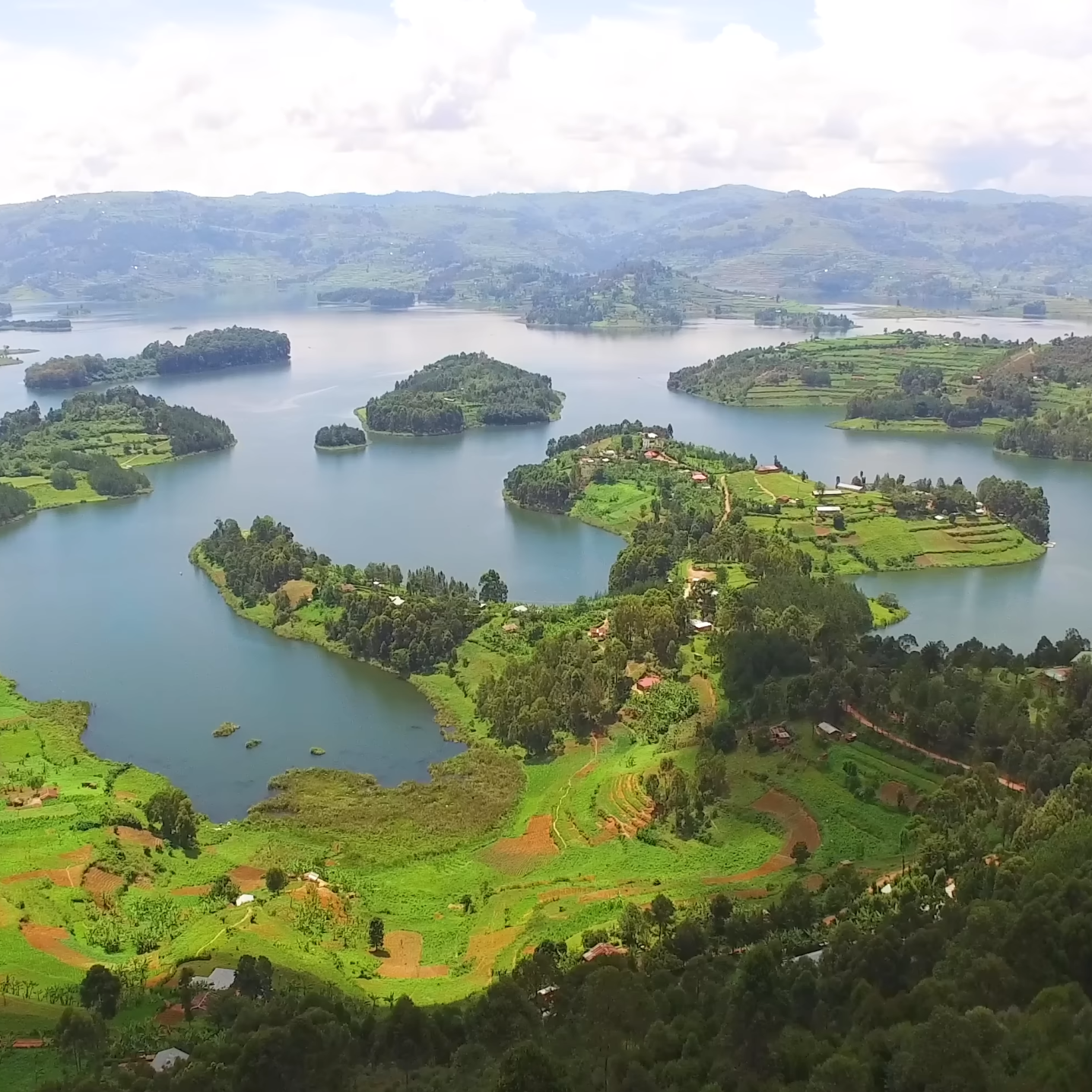
Successful self-drive travel in Kenya is less about general tourism knowledge and more about understanding how road conditions, distances, and logistics change once you leave major cities. From Nairobi or Mombasa, your journey can shift from smooth highways to remote park access roads within a few hours. This transition is where preparation matters most.
- Entry Requirements & Driving Documents
- Most travelers entering Kenya require an eVisa, applied for online before arrival. Your passport should be valid for at least six months beyond your travel dates.
- A valid national driver’s license is required for car rental, and an International Driving Permit is strongly recommended for foreign visitors. This is particularly important when interacting with roadside checks or insurance validation during self-drive trips.
- How Driving Actually Works in Kenya
- Kenya operates left-hand driving, with modern highways connecting major cities such as Nairobi, Nakuru, and Mombasa. These routes are straightforward and suitable for all vehicle types.
- However, once you enter safari corridors, such as the Maasai Mara, Amboseli, Tsavo, or Samburu, the driving environment changes. Roads may become gravel, uneven, or affected by seasonal weather. This is where vehicle choice directly impacts your ability to continue the journey comfortably.
- Fuel Planning & Long-Distance Travel Logic
- Fuel availability is reliable in cities and large towns, but becomes sparse in rural and safari regions. Routes such as Nairobi–Maasai Mara or Tsavo circuits require planning rather than reactive refueling.
- A full tank strategy is strongly recommended before entering remote sections, as some park circuits have limited or no refueling options inside or near entry gates.
- Road Safety & Real Driving Conditions
- Driving in Kenya is generally safe when approached defensively. Expect mixed traffic behavior in cities, slower trucks on highways, and occasional livestock or wildlife near rural roads.
- Night driving outside urban centers is not recommended due to reduced visibility, unpredictable road users, and limited roadside infrastructure.
- Insurance, Support & Vehicle Reliability
- All rentals should include comprehensive insurance coverage with clear breakdown support. This is critical for long-distance safari travel, where roadside assistance may take time to reach remote areas.
- At Car Rental Road Trips, support is available throughout your journey to assist with breakdowns, route adjustments, or vehicle replacement where required.
- Navigation & Route Planning Reality
- GPS coverage is reliable in urban areas but becomes inconsistent in remote parks and northern Kenya. Mobile signal loss is common in wildlife zones and valleys.
- For this reason, pre-planned routes and offline navigation tools are essential, especially for multi-park itineraries or cross-region drives.
- Key Travel Insight
- Kenya is not difficult to drive, but it is highly variable. The difference between a smooth trip and a challenging one is almost always determined by vehicle choice, fuel planning, and route awareness rather than driving skill alone.
Prepare for transitions, not just destinations. That is what makes self-drive travel in Kenya work.
How Kenya’s Driving Regions Actually Connect
Kenya is best understood as a network of driving corridors rather than separate tourist regions. Most itineraries begin in Nairobi or Mombasa, then expand outward based on road type, distance, and vehicle capability rather than geography alone.
With Car Rental Road Trips, you are not just selecting destinations; you are choosing how you move between different driving environments, from urban highways to remote park access roads.
- Nairobi Corridor: City to Highlands Transition
- This is the main launch point for most journeys. Once you leave Nairobi, the road network quickly opens toward Naivasha, Nakuru, and the wider Rift Valley. It is fully paved, but traffic density and timing strongly affect the travel experience.
- Southern Safari Belt: Amboseli & Tsavo
- This corridor defines the shift from highway driving into safari territory. Long distances, heat exposure, and gradual transition into gravel and park-entry roads make vehicle selection critical, especially for multi-day loops connecting inland parks to the coast.
- Western Circuit: Maasai Mara Access Zone
- The route into Maasai Mara changes sharply after Narok, where paved roads end, and safari access roads begin. This is one of Kenya’s most demand-sensitive driving corridors, especially during migration season.
- Northern Frontier: Samburu & Laikipia
- Northern Kenya introduces extended highway driving followed by low-density road infrastructure. Travel here requires planning around distance, fuel availability, and vehicle durability more than scenery alone.
In Kenya, regions matter less than the route you take to reach them, and the vehicle that carries you there.
Fleet & Vehicle Options by Travel Type
Vehicle selection in Kenya is not about preference alone; it directly determines which routes are realistically accessible. Our fleet is structured around how travellers actually move between cities, highways, and safari terrain.
- Urban & Short-Distance Travel
Economy cars such as Toyota Vitz, Honda Fit, and similar models are designed for Nairobi and city-based movement. They are efficient for paved roads but not intended for safari or rough terrain.
Rates: from USD 30–45 per day - Highway & Intercity Travel
Mid-size sedans like the Toyota Axio and Corolla are suited for longer paved routes between Nairobi, Nakuru, and coastal highways. They offer stability for extended driving on tarmac networks.
Rates: USD 45–70 per day - Safari Access & Mixed Terrain
SUVs such as the Toyota RAV4, Harrier, and Mitsubishi models are used where roads begin to vary between paved highways and rough park approaches.
Rates: USD 75–110per day - Full Safari 4×4 Capability
Toyota Prado, Land Cruiser, Ford Everest, and similar vehicles are designed for national parks, remote circuits, and unpredictable terrain conditions. These are the standard choices for Maasai Mara, Amboseli, Tsavo, and Samburu routes.
Rates: USD 110–160 per day - Group & Expedition Travel
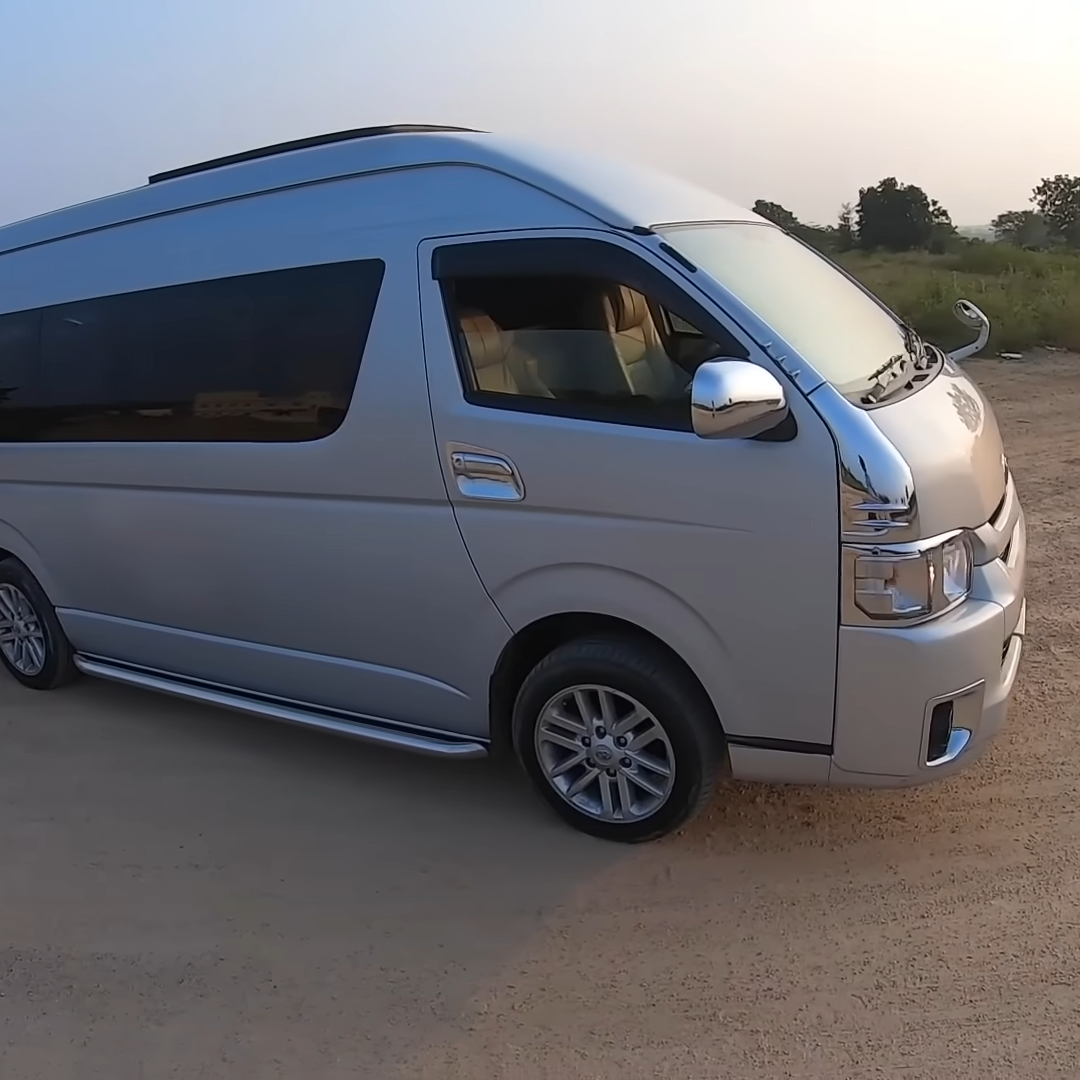
Toyota Hiace and Coaster vans are used for group safaris, lodge transfers, and shared itineraries where capacity and logistics matter more than terrain handling. - Premium Safari Experience
Luxury SUVs and high-spec 4x4s such as Land Cruiser upgrades, Range Rover, and Lexus RX are used for high-comfort safari travel with long-distance capability.
Rates: USD 140–200 per day
All vehicles are maintained for long-distance travel conditions and come with insurance options suitable for both highway and safari use.
Pricing Structure for Kenya Rentals
Kenya rental pricing is determined by vehicle capability, route type, and seasonality rather than fixed daily rates alone. The more remote and terrain-sensitive the route, the higher the vehicle specification required.
Economy vehicles begin from USD 30–45 per day for city and short-distance travel. Mid-range vehicles used for intercity highways range between USD 45 and 70 per day.
For safari and mixed-terrain travel, SUV and 4×4 categories range from USD 75–160 per day, depending on model and route demands. These vehicles are designed for national park access, long-distance circuits, and variable road conditions.
Long-term rentals (weekly or monthly) offer reduced daily rates, particularly for extended safari itineraries or cross-country travel across Kenya’s major driving corridors.
All rentals include basic insurance, with optional upgrades for extended safari coverage, cross-border use, and additional driver services where required.
Pricing in Kenya is best understood as route-based value, not just daily cost.
What Travelers Usually Worry About Before Booking in Kenya
Do I actually need a 4×4, or is it just upselling?
It depends entirely on your route, not the country itself. If you’re staying within Nairobi, Naivasha, or highway corridors, a sedan is fine.
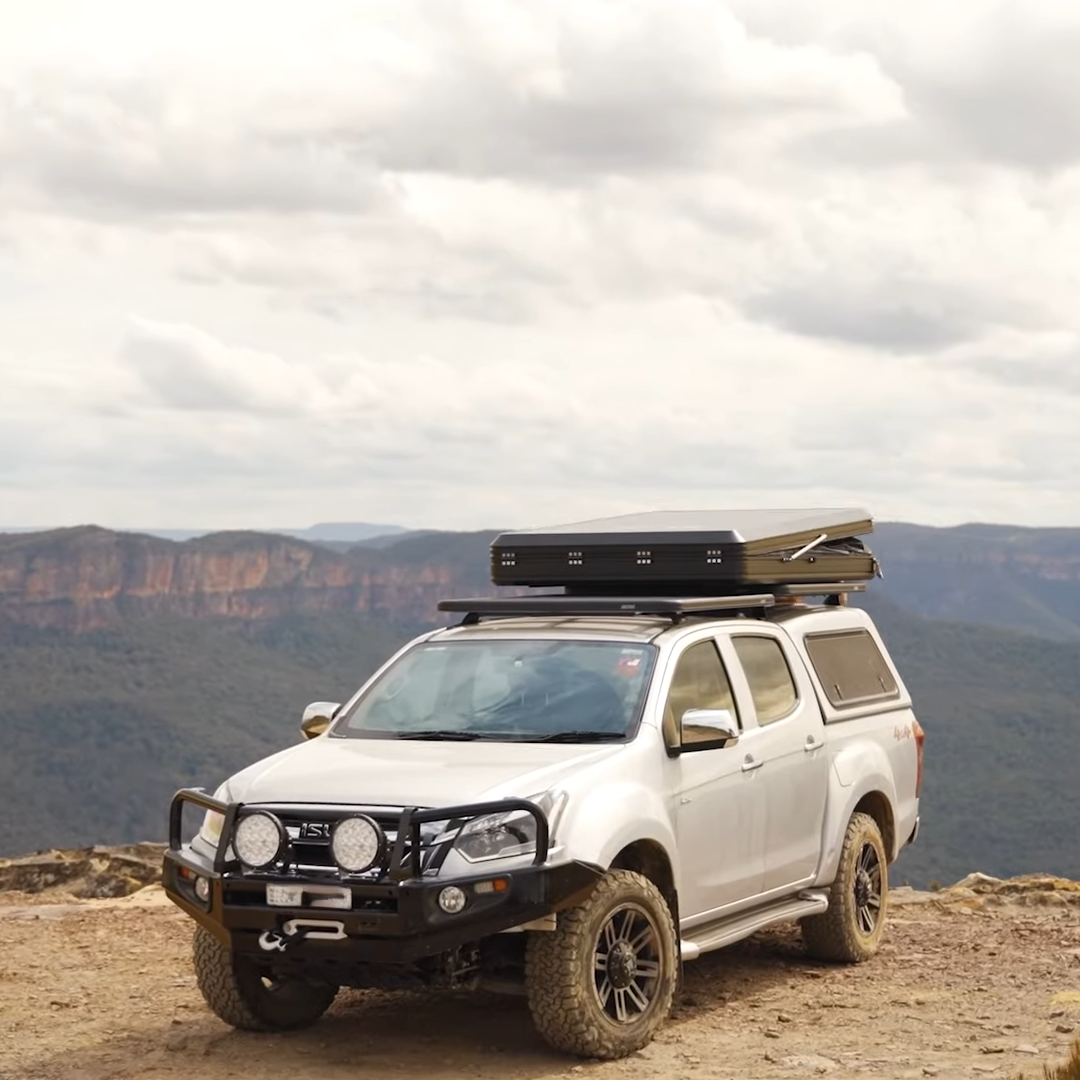
But once your plan includes Maasai Mara, Amboseli, Tsavo, Samburu, or any off-tarmac access roads, a 4×4 is not optional in practice; it’s what keeps the trip moving when roads change unexpectedly due to weather or terrain.
Is self-driving in Kenya actually safe for foreigners?
Yes, but safety here is defined by awareness, not speed. Major highways are well-maintained and widely used for tourism routes.
The real adjustment is city traffic patterns in Nairobi and rural unpredictability, such as livestock crossings, mixed driving behavior, and variable road lighting outside towns.
With defensive driving and proper route planning, self-drive is widely used across Kenya’s safari network.
What happens if I break down in a remote safari area?
Breakdowns are uncommon when the right vehicle is matched to the route, but distance is the real factor.
In remote parks, response times are longer due to terrain and access limitations. That is why vehicles are pre-selected for durability, and all rentals include coordinated roadside assistance or recovery support depending on location.
Will I struggle with fuel on long safari routes?
Fuel is not scarce, but distances between stations increase significantly outside cities.
Routes such as Nairobi–Maasai Mara or Tsavo circuits require planning rather than reacting on the road. The standard approach is simple: start full, refuel in known towns, and avoid entering remote park loops without sufficient range.
Can I change my itinerary once I’ve already started driving?
Yes, Kenya is flexible, but route changes must still respect vehicle capability and distance realities.
A coastal extension, safari reroute, or park addition is usually possible, but it must be checked against fuel availability, terrain type, and timing between destinations.
What do most first-time drivers in Kenya underestimate?
It’s rarely a driving skill. The real underestimation is distance and transition time.
A map may show short gaps between parks or towns, but actual travel includes traffic, road variation, park entry procedures, and terrain shifts that extend timing significantly.